


If you work in metal stamping, fabrication, or any industry that uses press machinery, you already know how game-changing a C-Frame Deep Throat Press can be. These machines are go-tos for shaping parts that need extra reach from the frame, letting you work on larger or more complex workpieces without rearranging your entire shop floor. But let’s be real—with great power comes great responsibility, and operating one of these bad boys safely isn’t just a suggestion, it’s non-negotiable. As a supplier of this gear, I’ve talked to hundreds of operators and shop managers over the years, and the number one thing I drill into everyone is that safety regulations aren’t just red tape; they’re what keep people going home at the end of the day. Today, I’m breaking down the key safety rules for running a C-Frame Deep Throat Press, with real-world tips I’ve picked up from years in the biz.
First off, let’s make sure we’re on the same page about what a C-Frame Deep Throat Press is, because not all C-frame presses are created equal. You’ve got mechanical vs. hydraulic models, single crank vs. double crank, and the deep throat design is what sets these apart—their extended frame lets you reach workpieces that sit further back on the table, which is perfect for tasks like bending large brackets or stamping deep dishes. If you want to dive into the different types, check out our pages for the standard C-Frame Mechanical Press, C-Frame Single Crank Press, C-Frame Deep Throat Press, and C-Frame Double Crank Press to see which fits your needs. But no matter the model, safety starts before you even power on the machine.
Pre-Operation Checks: The Non-Negotiable First Step
I can’t tell you how many times I’ve heard of operators skipping pre-checks because they “know the machine like the back of their hand.” Big mistake. These presses are heavy and powerful—even a tiny issue with a part can lead to serious accidents. Let’s run through the must-do pre-op steps, no exceptions.
First, do a visual walkaround. Check for any obvious damage: frayed electrical cords, loose bolts on the frame, cracked throat extensions, or worn tooling. The deep throat on these presses takes a lot of stress, so make sure there’s no bending or cracking along that horizontal arm—those cracks can spread fast when you’re running heavy loads. Next, test all safety features before you touch the controls. This is a big one. Every C-Frame Deep Throat Press should have:
- Two-hand tripping controls: You have to press both buttons at the same time to cycle the ram, so one-handed operations are impossible. If these are misaligned or not working, shut the machine down and flag it—don’t try to “make do.”
- Light curtains or safety mats: These are there to stop the ram if anything (or anyone) crosses the line. Make sure there’s nothing blocking the light curtain beams, and test the mat by stepping on it while the ram is moving—it should stop immediately.
- Emergency stop (E-stop) button: This is the big red one, usually on the control panel and sometimes on the floor near the machine. Make sure it’s not stuck, and test it—push it, see if the ram stops right away. If it doesn’t, call a tech before using the machine.
Then, check the tooling. The dies you use need to be properly aligned and mounted tight. A loose die can shift mid-cycle, causing the workpiece to fly out or the ram to hit the table too hard, damaging both the tooling and the machine. Also, double-check that the ram’s stroke length is set correctly for your workpiece—too long and you might crush the part, too short and the operation doesn’t complete, wasting time and risking error. One quick tip I learned: mark your ideal stroke length with a piece of tape so you don’t accidentally bump the setting when you’re grabbing parts.
Finally, check your work area. Clear away any debris, scrap metal, or tools from around the press. You don’t want to trip while reaching for a workpiece mid-cycle. Also, make sure you have enough space to move around safely—no cluttered workbenches or other machines crowding the area. If you’re working with heavy parts, have a lift or dolly handy so you’re not straining to haul them onto the press table.
Operation Rules: Stay Focused, No Cutting Corners
Once you’ve done all the pre-checks, it’s time to run the press. But here’s the thing: safety doesn’t stop when you press the start button. The way you operate the machine day-to-day is just as important. Let’s go over the key rules I share with every new operator who gets our equipment.
First, stay alert. I know it’s tempting to zone out while doing repetitive stamping tasks, but that’s how accidents happen. You have to be 100% focused on the machine and the workpiece at all times. No scrolling on your phone, no chatting with coworkers at full volume (keep it casual, but not distracting), no working long shifts without taking breaks—fatigue kills. If you’re tired, flag down a coworker to take over for a bit. I’ve seen too many operators try to power through a 12-hour shift, zone out, and accidentally put their hand too close to the ram. It’s not worth it.
Second, never reach into the die area while the press is running. Even if the ram is moving slow, that machine is powerful enough to crush a hand in a split second. If you need to adjust the workpiece, reach for tools like push sticks or magnetic pickers—never your fingers. These tools are cheap, and they keep your hands safe. Pro tip: keep a set of properly sized push sticks near the press, not locked in a toolbox across the shop, so you can grab them fast when you need them.
Third, don’t override safety features. Some operators think, “The light curtain is in my way, I’ll just tape it up.” Or “The two-hand controls are slow, I’ll use one hand.” I get it—they can slow you down when you’re in a rush. But those safety features are designed to protect you, and overriding them is the number one cause of serious press accidents. If the light curtain is blocking your work, rearrange your work area, or adjust the machine’s position—don’t disable the safety. Our C-Frame Deep Throat Press comes with hardwired safety controls that make overriding impossible, which is a feature I brag about all the time. If you have to modify a safety feature, that’s a job for a certified tech, not you.
Fourth, load and unload the press the right way. Make sure the workpiece is centered on the die—off-center loads can cause the press to vibrate too much, or even twist the frame over time, leading to long-term damage. Also, never use the press to move heavy materials or scrap—its job is to stamp, not lift. If you have a large workpiece, use a lift to position it, and make sure it’s secured before you start the cycle. When you’re done stamping, wait until the ram is all the way up before removing the part, and use a tool to pull it out if it’s stuck—don’t reach in too soon.
Maintenance & Training: Keep Safe Long-Term
Safety rules aren’t just for the operator running the machine. Proper maintenance and ongoing training keep accidents from happening over time, too. Let’s talk about that.
First, stick to a regular maintenance schedule. This isn’t something you should do once a month when the machine starts making weird noises. Oil the ram and moving parts as per the manufacturer’s guidelines, check for loose bolts every week, and have a certified tech do a full inspection every six months. The deep throat on a C-Frame press takes a lot of lateral force, so loose bolts or worn bearings can cause the frame to shift, which is a huge safety risk. Also, replace worn parts—like worn ram guides or cracked die holders—right away. I’ve had customers tell me they saved a little money by skipping maintenance, only to have the throat bend so bad the press was unusable. It’s not worth the downtime or the risk.
Second, train every single person who uses the press. Even if an operator has experience with another type of press, they need specific training on C-Frame Deep Throat Presses. The deep throat design changes how you load parts, how the frame reacts under load, and the exact safety features you need to use. Our team offers on-site training for anyone who buys our equipment, and I always encourage shop managers to do refreshers every quarter—skills fade, and it’s easy to fall into bad habits. Also, make sure new operators work with a more experienced person for at least a week before they run the press on their own. No exceptions.
Third, report every incident, even a near-miss. If you almost hit the ram, or the press made a weird noise, don’t just brush it off. Report it to your supervisor, and get the machine checked. Near-misses are warnings that something is wrong, and if you ignore them, you’ll probably have a real accident next time. We’ve had customers who started a near-miss log, and they say it cut accidents by 70% in a year—because everyone was paying attention to small issues before they got big.
Common Mistakes to Avoid (I See These All the Time)
Let’s wrap this up with a few common mistakes that I see shop teams make, that are totally avoidable. First, using the wrong die for your press. Not all dies fit all C-frame presses—using a die that’s too big or too heavy can overload the ram, leading to frame damage or even the ram breaking. Double-check that your die is rated for your press’s capacity, and that it fits the deep throat’s dimensions. If you’re not sure, ask us—we’re here to help, just like we’re here to help you pick the right C-Frame Single Crank Press or double crank model for your needs.
Second, not using lockout/tagout (LOTO) procedures when doing maintenance. If you need to fix the press, change a die, or clear a jam, you have to turn off the power, lock it out with a padlock, and tag it so no one else can turn it on. I can’t tell you how many times a coworker has turned on a press while someone else was inside the die area—don’t let that be you. LOTO is non-negotiable, no matter how small the task is.
Third, wearing loose clothing or jewelry while operating the press. A loose sleeve can get caught in the moving parts, a necklace can get snagged, and hair can get pulled into the ram. Wear form-fitting clothes, tie back long hair, and take off any jewelry before running the machine. It’s a small thing, but it’s saved so many people from injury.
Wrapping It Up: Safety is Everyone’s Job
At the end of the day, operating a C-Frame Deep Throat Press is a big responsibility, but following these safety rules doesn’t have to be complicated. It’s about taking 5 minutes for pre-checks, staying focused while you run the machine, and keeping up with maintenance and training. These machines are amazing tools that make work easier and faster, but they only work if you respect their power.

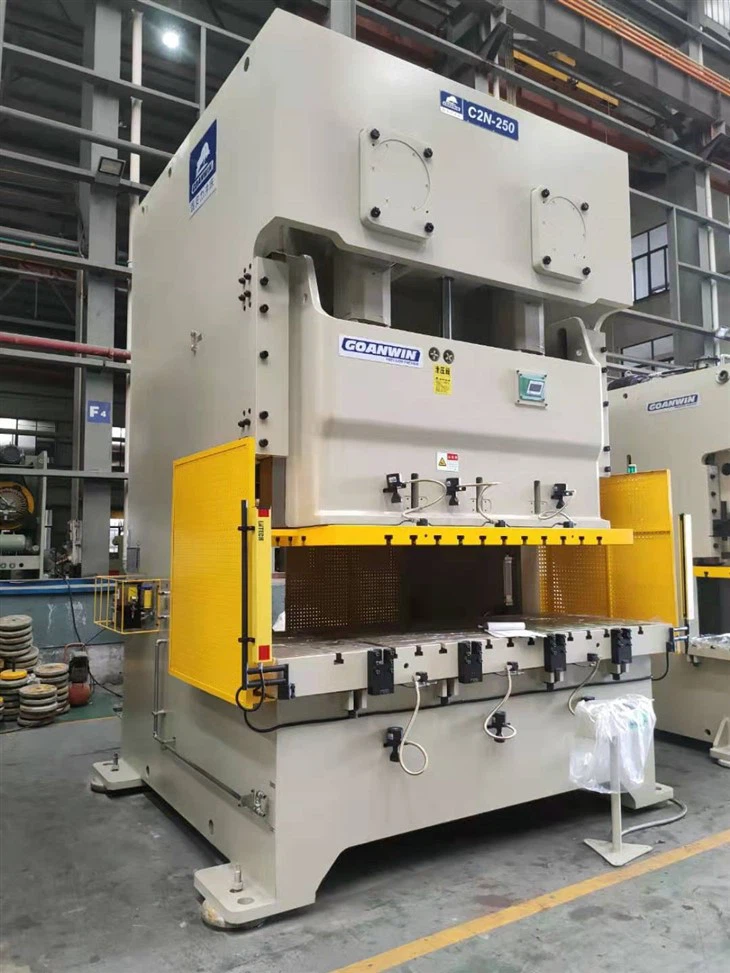
If you’re in the market for a C-Frame press—whether it’s a mechanical, single crank, deep throat, or double crank model—we’ve got you covered. Our team can answer any questions about safety features, maintenance, or which press fits your shop’s needs. Just reach out to us to start the conversation. Let’s make sure your team stays safe and your operations run smooth, together.
References
- Occupational Safety and Health Administration (OSHA). (2023). Machine Guarding Requirements for Presses. U.S. Department of Labor.
- American National Standards Institute (ANSI). (2022). Safety Standards for Power Presses (ANSI B11.1).
- Precision Metalforming Association (PMA). (2021). Best Practices for Press Operation and Maintenance.


