


As a seasoned supplier of H-frame presses, I've witnessed firsthand the pivotal role that the parallelism of plates plays in determining the quality, efficiency, and precision of these machines. In this blog post, I'll delve into the intricacies of plate parallelism, exploring what it means, why it's crucial, how it's maintained, and its broader implications for various industries.
Understanding the Basics of Plate Parallelism
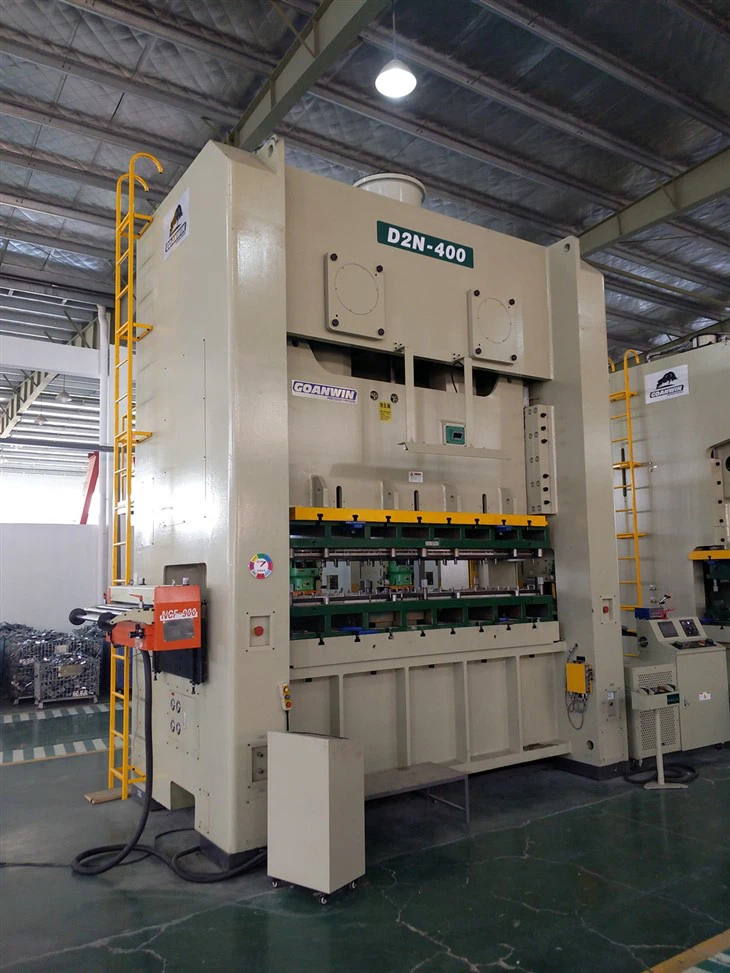
Plate parallelism refers to the degree to which the upper and lower platens of an H-frame press are perfectly parallel to each other. In an ideal scenario, the gap between the two plates remains consistent across their entire surface area during the pressing operation. This alignment is not just a matter of geometric precision; it is fundamental to the press's ability to perform effectively.
When the platens are parallel, the force exerted during the pressing process is evenly distributed across the workpiece. This uniform force application ensures that the material being processed is shaped, formed, or bonded with consistent quality. Whether you're stamping metal components, molding plastic parts, or laminating materials, the parallelism of the platens directly influences the final outcome.
Why Plate Parallelism Matters
Quality and Consistency
One of the primary reasons why platen parallelism is so important is its direct impact on product quality and consistency. In manufacturing processes, even the slightest deviation in platen parallelism can result in uneven pressure distribution. This can lead to a variety of defects in the finished product, such as inconsistent thickness, warping, or incomplete bonding. For industries that demand high precision, like aerospace and automotive manufacturing, these defects are unacceptable. By maintaining proper platen parallelism, we can ensure that every part produced meets the strict quality standards required by these industries.
Tooling and Die Life
Another significant benefit of maintaining platen parallelism is its positive effect on tooling and die life. When the platens are not parallel, the tools and dies used in the pressing process are subjected to uneven forces. This can cause premature wear and tear on the tooling, leading to frequent replacements and increased production costs. By ensuring that the platens are parallel, the forces are evenly distributed, reducing stress on the tools and extending their lifespan. This not only saves money on tooling replacement but also minimizes downtime for tool changes, improving overall production efficiency.
Safety
Platen parallelism also plays a crucial role in ensuring the safety of the press operators. When the platens are not parallel, the press may experience uneven movement or excessive vibration during operation. This can pose a safety hazard to the operators, increasing the risk of accidents and injuries. By maintaining proper platen parallelism, we can ensure that the press operates smoothly and safely, protecting the well-being of the workers.
Measuring and Maintaining Plate Parallelism
Measuring Techniques
To ensure that the plates of an H-frame press are parallel, it is essential to regularly measure their alignment. There are several techniques available for measuring platen parallelism, each with its own advantages and limitations. One common method is to use a dial indicator. A dial indicator is a precision measuring instrument that can detect small variations in the gap between the platens. By taking measurements at multiple points across the platen surface, we can determine the degree of parallelism and identify any areas that require adjustment.
Another technique is to use a laser alignment system. Laser alignment systems are highly accurate and can provide real-time measurements of platen parallelism. These systems work by projecting a laser beam onto the platen surface and measuring the reflected light. By analyzing the data collected by the laser alignment system, we can quickly and accurately determine the alignment of the platens.
Maintenance and Adjustment
Once the platen parallelism has been measured, any necessary adjustments can be made. In most cases, the adjustment process involves shimming or repositioning the platen mounts. Shimming is a technique that involves placing thin metal strips or plates between the platen and its mount to adjust the height and alignment. Repositioning the platen mounts may also be necessary in some cases to ensure that the platens are properly aligned.
Regular maintenance is also essential for maintaining platen parallelism over time. This includes cleaning the platens and their mounts, lubricating the moving parts, and inspecting the press for any signs of wear or damage. By following a regular maintenance schedule, we can prevent problems from developing and ensure that the press continues to operate at peak performance.
Applications of H-Frame Presses and the Role of Platen Parallelism
H-frame presses are widely used in a variety of industries, including automotive, aerospace, electronics, and manufacturing. In each of these industries, the parallelism of the platens plays a critical role in the success of the pressing process.
Automotive Industry
In the automotive industry, H-frame presses are used to produce a wide range of components, including body panels, engine parts, and suspension components. The parallelism of the platens is crucial in ensuring that these components are produced with consistent quality and precision. For example, when stamping body panels, the parallelism of the platens ensures that the panels are formed with the correct shape and dimensions, reducing the risk of fit and finish issues.
Aerospace Industry
In the aerospace industry, H-frame presses are used to manufacture critical components such as aircraft wings, fuselage sections, and engine parts. The high precision and quality requirements of the aerospace industry make platen parallelism even more important. Any deviation in platen parallelism can result in defects that could compromise the safety and performance of the aircraft. By maintaining strict control over platen parallelism, we can ensure that these components meet the rigorous standards of the aerospace industry.
Electronics Industry
In the electronics industry, H-frame presses are used to assemble and package electronic components. The parallelism of the platens is essential in ensuring that the components are assembled correctly and that the packaging is secure. For example, when bonding printed circuit boards, the parallelism of the platens ensures that the solder joints are formed evenly, reducing the risk of electrical failures.
Our Product Range
As a leading supplier of H-frame presses, we offer a wide range of models to meet the diverse needs of our customers. Our product lineup includes the D-Frame Single Crank Press, H-Frame Double Crank Press, and H-Frame Single Crank Press. Each of these presses is designed and manufactured to the highest standards of quality and precision, ensuring optimal performance and reliability.
We understand the importance of platen parallelism in the pressing process, and we take every measure to ensure that our presses are equipped with platens that are perfectly parallel. Our state-of-the-art manufacturing facilities and advanced quality control processes allow us to maintain strict control over the production process, ensuring that each press we produce meets our rigorous standards.
Contact Us for Procurement
If you're in the market for an H-frame press or have any questions about platen parallelism, we'd love to hear from you. Our team of experts is available to provide you with detailed information about our products and to help you choose the right press for your specific needs. Whether you're a small business looking for a compact press or a large corporation in need of a high-capacity production line, we have the expertise and the products to meet your requirements.

References
- "Press Technology Handbook" by Peter Groche.
- "Manufacturing Engineering & Technology" by Serope Kalpakjian and Steven Schmid.
- "Metal Forming: Mechanics and Metallurgy" by George E. Dieter.
